
So, you get up one morning, go into the bathroom and look in the mirror: wait a minute, is that a hair on your chin? Omg! Quick, you grab your trusty tweezers and pull: a second later, the hair is gone – job done, and you can get on with your day.
Except that it isn’t really gone – that pluck was a temporary fix, and that hair will return.
A couple of hours/days later, there it is again! And it’s brought a friend, oh no! Another quick pull, and gone for another day.
But over time, you’re seeing more, and they’re getting thicker and darker, more noticeable: what started as an odd pluck has become a regular chore that cannot be ignored. And they’re covering a larger area as time goes on. You start to check during the day in case you’ve missed one, or you notice one in your car’s rearview mirror when you’re waiting at traffic lights or parked up. By now, you’ve got several pairs of tweezers – in the bathroom, your handbag, your car. Just in case you spot something, so that you can deal with it before anyone else sees.
And now for the Bad News.
In the natural order of things, hair growth goes through a continuous cycle of growth, rest and shedding. By the time it sheds, another hair has formed, ready to take its place. Hair cycle length varies all over the face and body, and each hair will be at a different stage than its neighbour. For instance, scalp hair takes years to complete a cycle, which is why it can grow so long. Brow hairs grow and shed within two to three weeks. If every hair shed at the same time, we’d appear bald until the replacement hairs came through!
Hair has a job – it helps regulate body temperature, prevents particles and infection from entering the body, and detects changes in the air around us.
Mainstream society has made hair growth in certain areas of the face and body unacceptable.
Women in particular are made to feel embarrassed, ashamed and ‘unfeminine’ by having hair, when it is a natural part of our DNA ancestry.
So, when a hair appears, we are made to feel that it must be instantly removed. There are many ways to do this: shaving, depilatory creams, plucking, threading and waxing are all acceptable methods. Shaving cuts the hair level with the skin to reduce its appearance. Depilatory creams use chemicals to dissolve the hair to just below the skin surface, taking longer to appear. Plucking, threading and waxing pull out the hairs at the root, so a replacement must be grown from scratch.
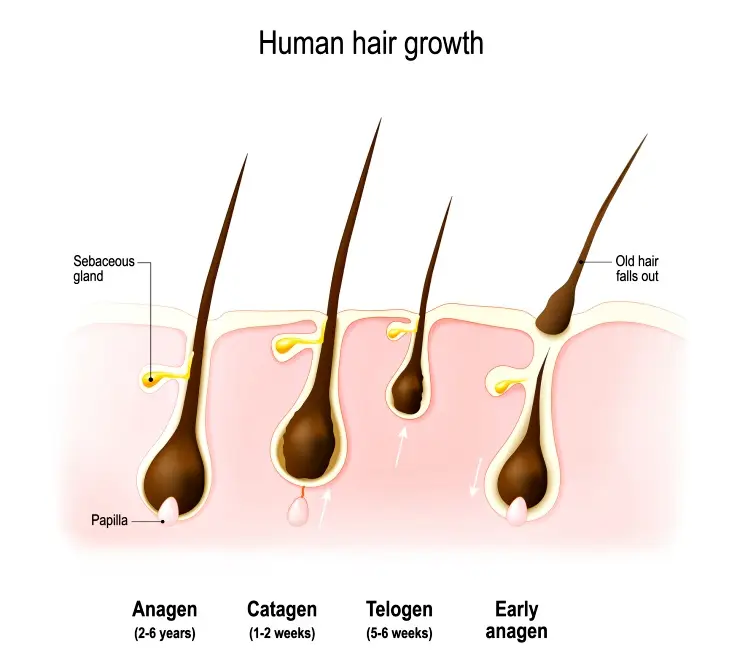
But when a hair is pulled out in its active growing stage, it disrupts the natural order, as there is no hair ready to replace it, and plucking shallow-rooted hairs, such as eyebrow hairs, can sometimes damage them enough to prevent further growth.
But not on deeper-rooted hairs in hormonally sensitive areas such as the chin, neck and upper lip. These respond very differently.
The body interprets the plucking sensation and empty follicle as a warning – hair down! It instantly swings into emergency mode, sending blood rushing to the area to help the formation of a replacement hair.
And because of that extra emergency nutrition – the equivalent of a nice big slap-up meal – the new hair will be healthier, thicker, stronger than the previous hair. Any previously unnoticed finer hairs may also benefit, becoming thicker and more prominent. What was one problem hair turns into several, prompting more plucking and creating a whole new area of unwanted growth.
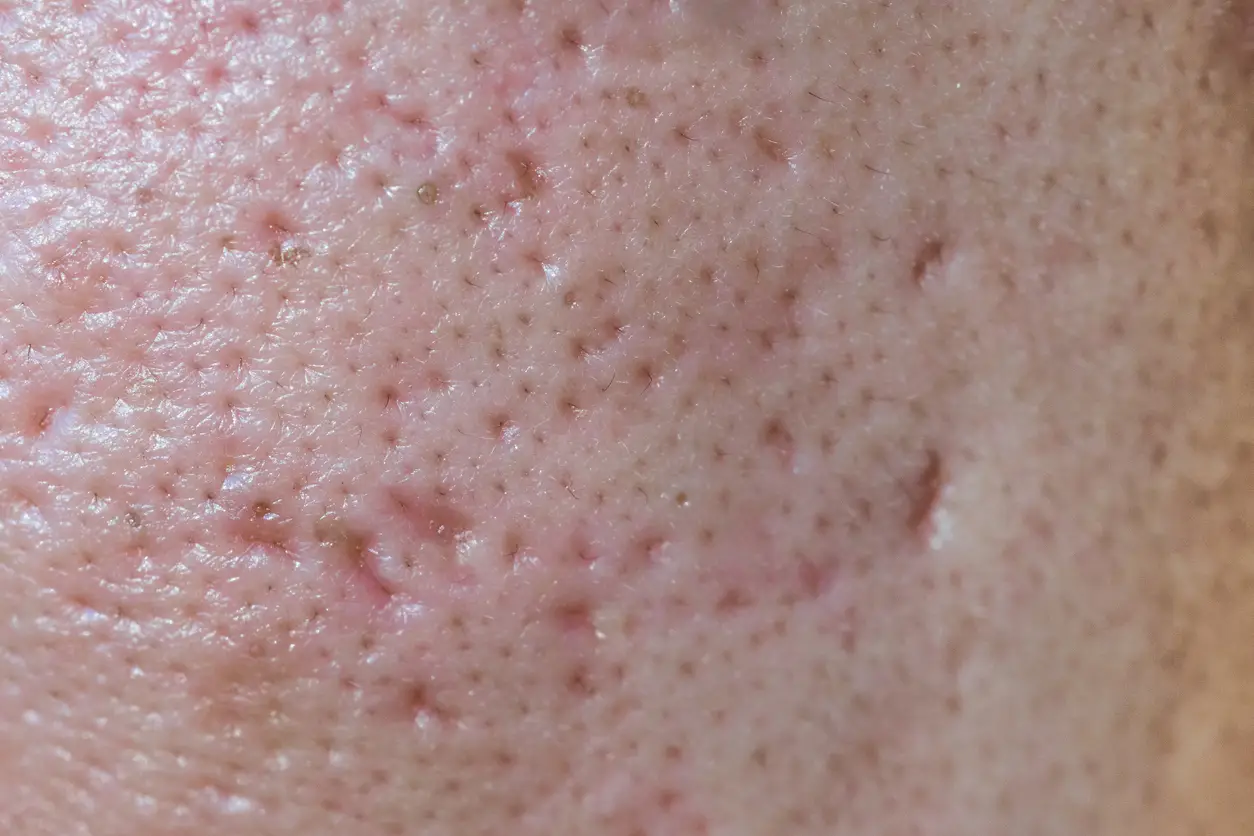
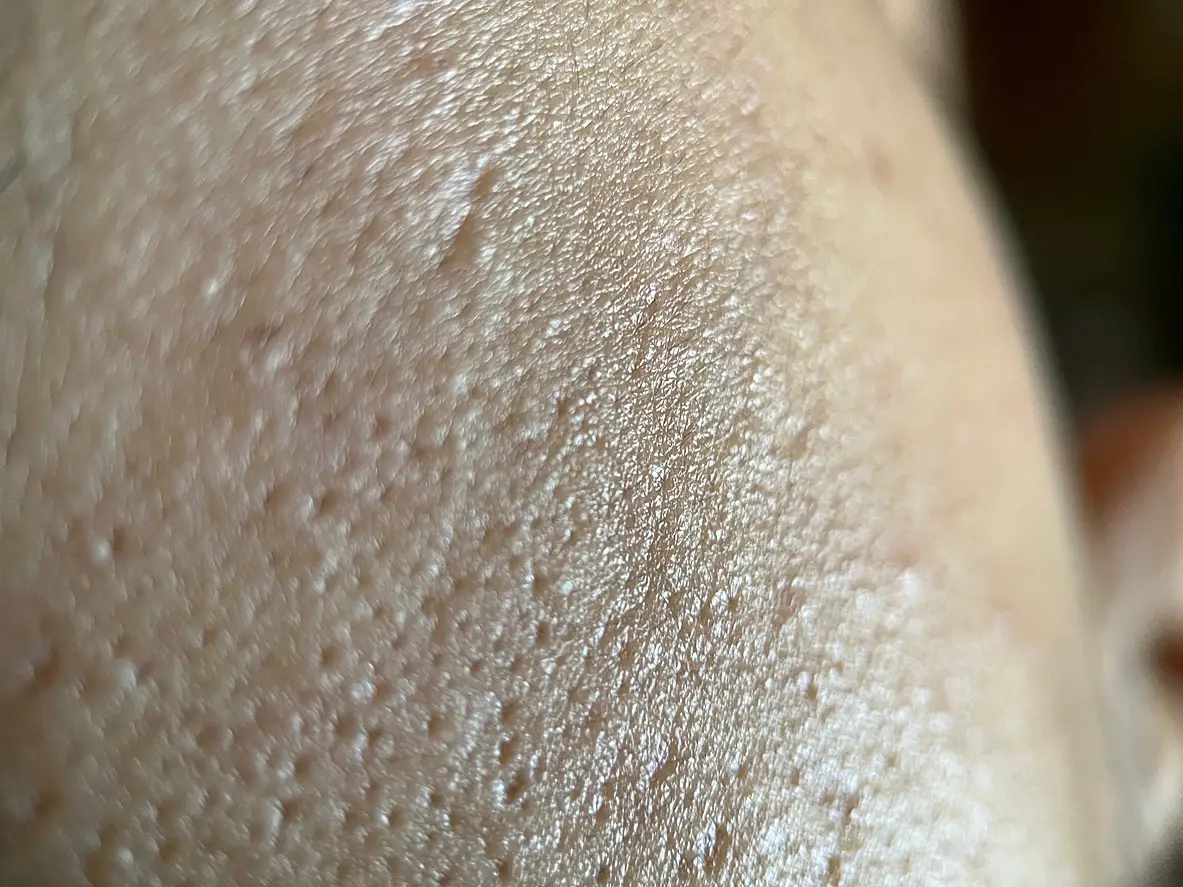
Meanwhile, this is taking its toll on the skin. When hair sheds naturally, it has lost the surrounding tissue along the way so that it can leave the follicle unscathed. An actively growing hair is firmly attached to the base of the follicle and has a much larger root, wider than the opening at the top of the follicle. Pulling out the entire structure forces the follicle to open more. Over time, the follicle will not be able to recover, creating a permanently open pore.
Often, dark hairs are visible before they fully reach the skin surface. This prompts people to ‘dig’ into the follicle, to remove the hair before anyone notices.
Skin damage becomes inevitable.
Plucking causes irritation, redness, and even swelling when the hairs are tugged out. Spots are caused by infection forming in the empty follicles. Dry patches can be created by tweezers damage, or the skin may produce more oil in an attempt to protect itself. Frequent shaving also irritates the skin, but plucking does so much more. People may use products to improve the area without success, not realising the cause of their problem skin. Retinols, AHAs, and other strong ingredients can erode the skin surface, causing more irritation and damage—many simply resort to covering the area with makeup to hide the problem.
Seeking Professional Help
As an electrolysist, I often see people who have been plucking their hair for years, even decades. By now, the growth has become incredibly strong, and what started as a single hair has evolved into an army of growth covering a substantial area.
As the hairs are gradually eradicated, to the delight of the client, we then begin to see the extent of the skin damage caused by years of plucking. Once the follicles are fully exposed, with no hairs to mask the evidence, we get the true picture.
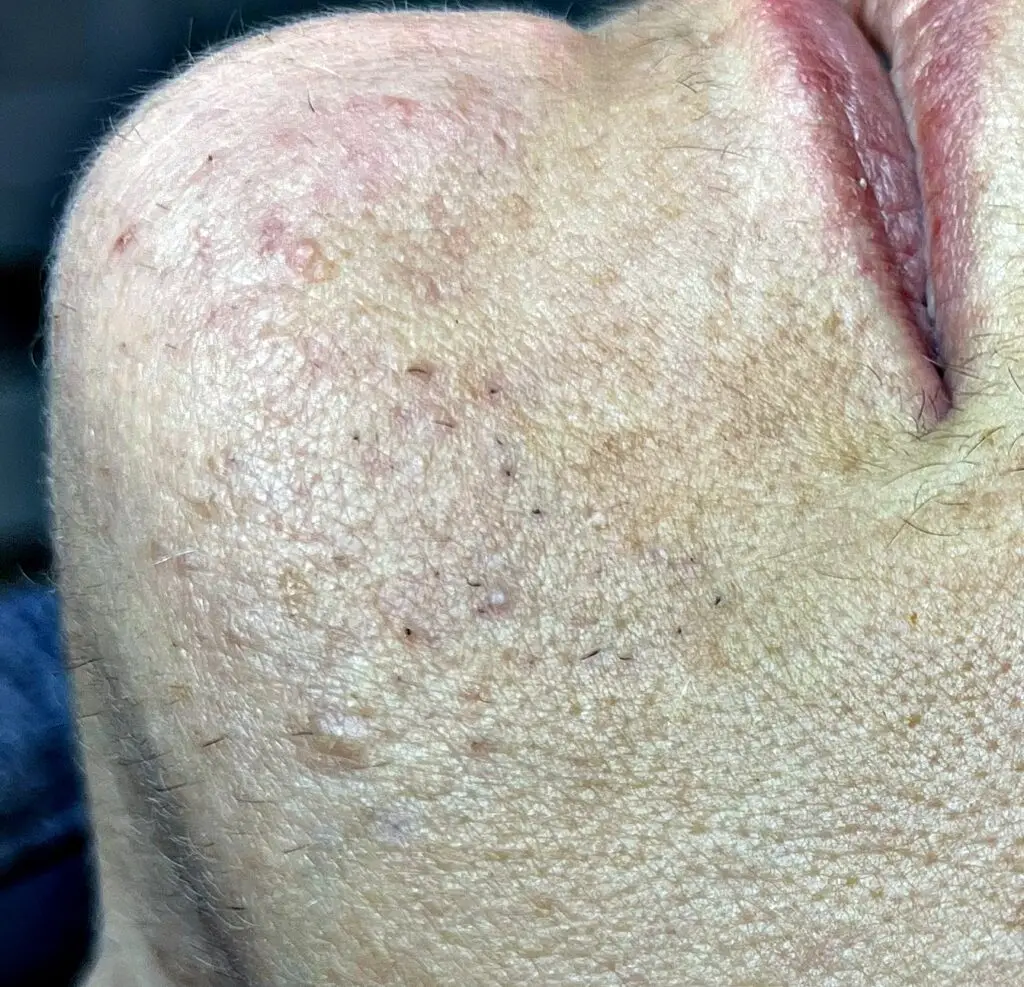
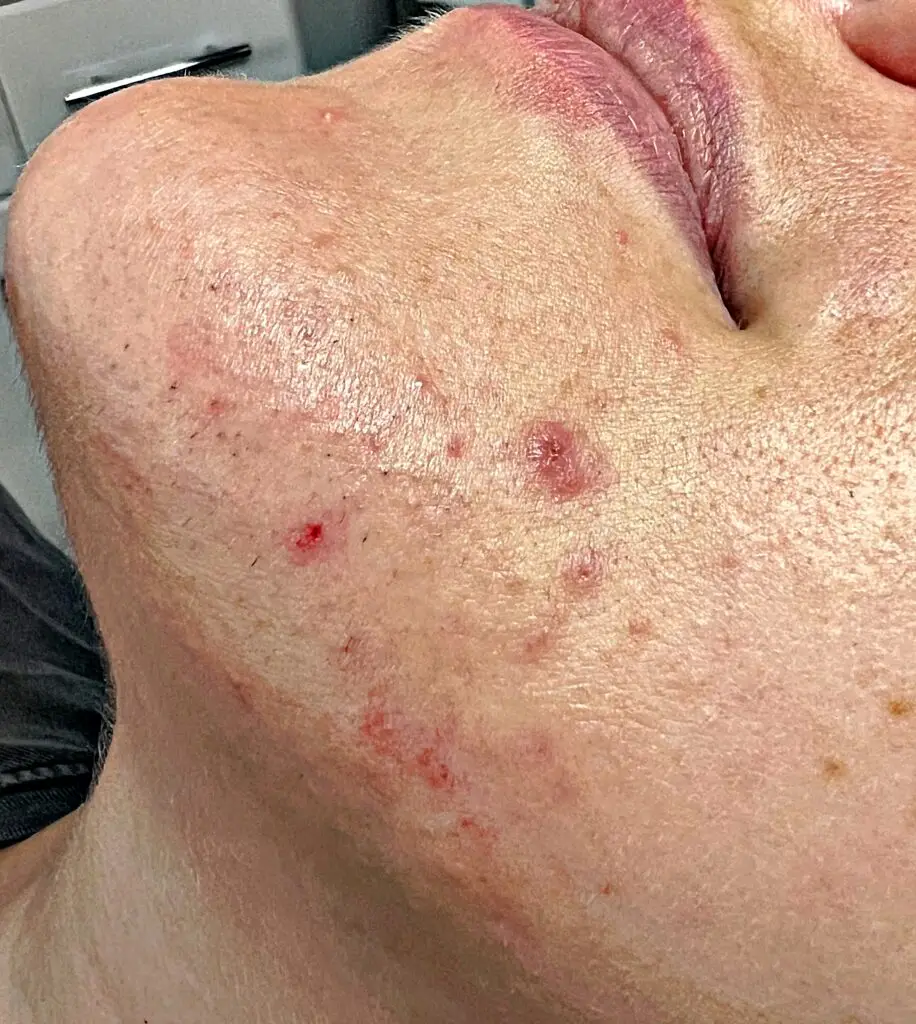
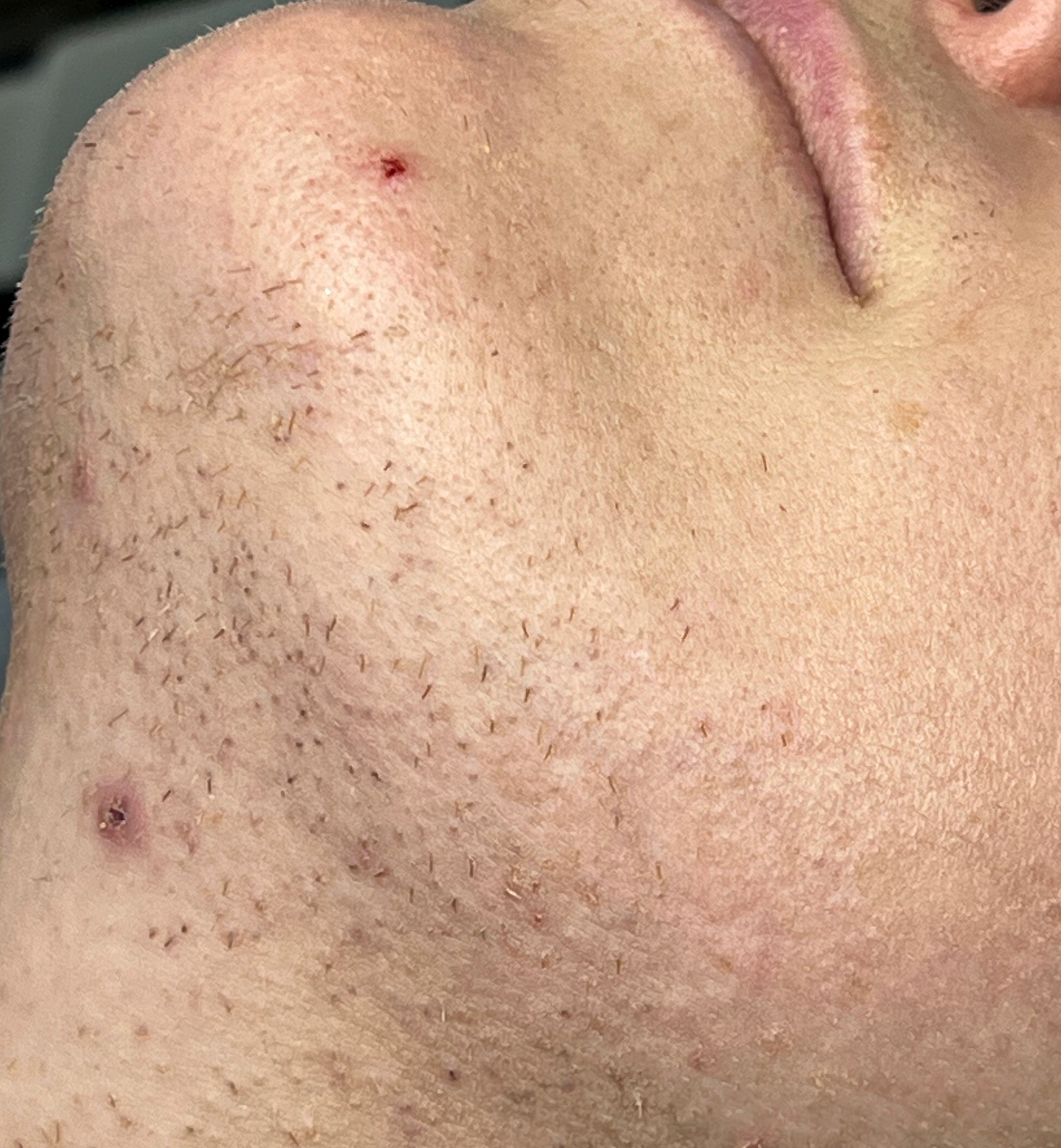
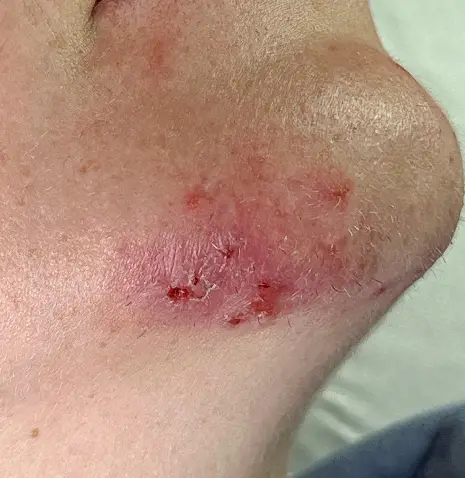
Unfortunately, people sometimes mistakenly blame electrolysis treatment for this, only realizing the full impact of their prior actions now. This is not accurate: while electrolysis is a destructive process, it is conducted with precision, targeting each follicle individually. Beyond eliminating the visible hair, electrolysis destroys the stem cells within the follicle, erasing the DNA blueprint needed to grow new hairs. It is normal for the skin to become red and possibly swollen after treatment, as heat is generated inside each follicle.
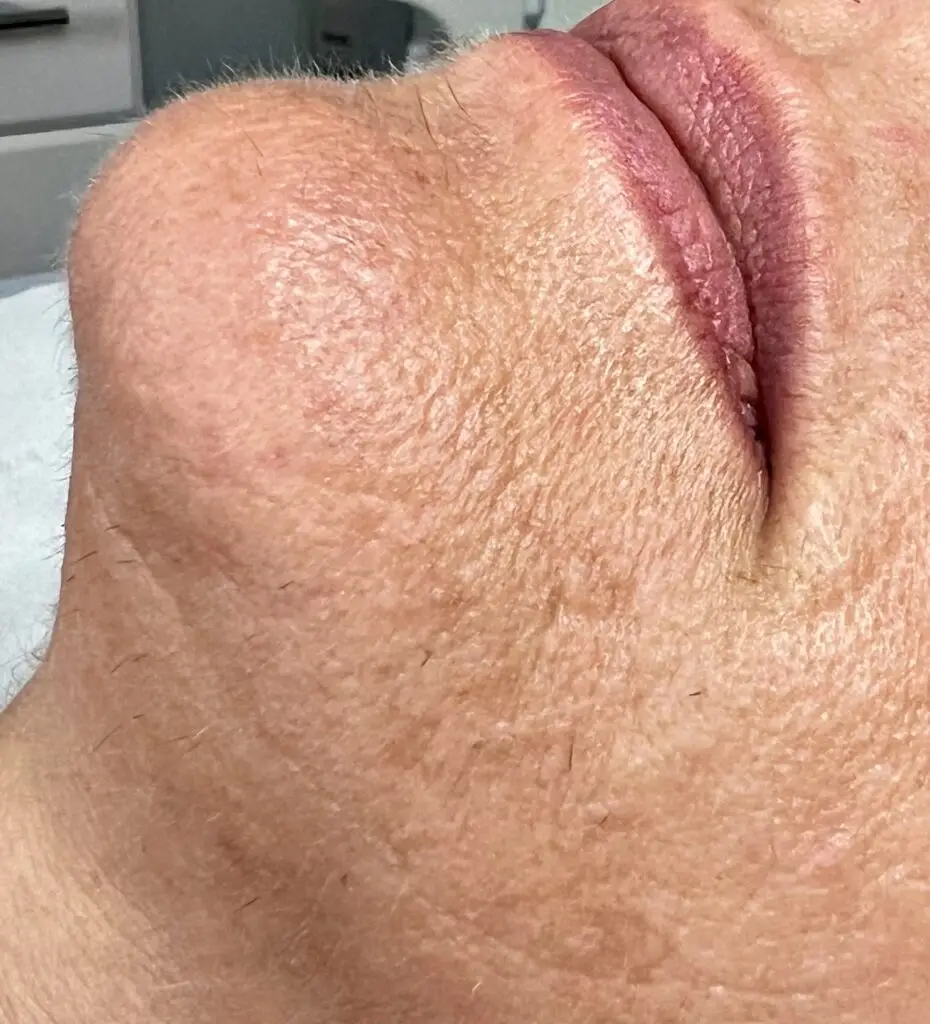
The resulting skin reaction is a natural part of the healing process, and the heat produced by electrolysis (thermolysis) actually stimulates cellular repair and collagen within the dermis. Clients see their skin improve over time as they follow their aftercare procedure, desist from plucking and learn more about good skin health.
Clients who have experienced long-term plucking abuse need not despair: various aesthetic treatments are available to help restore and rejuvenate the skin once the hair has been fully removed.
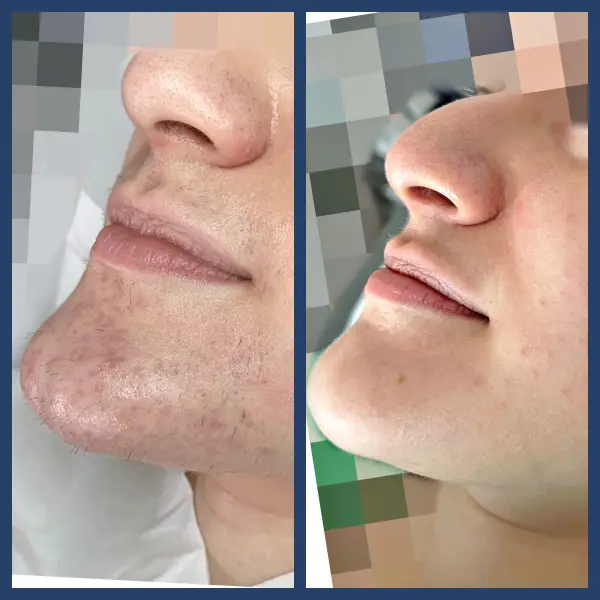
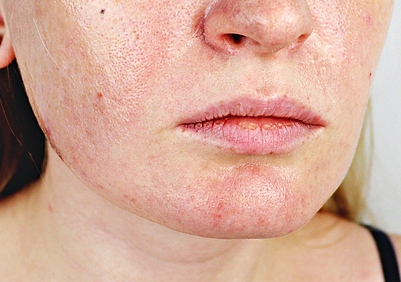
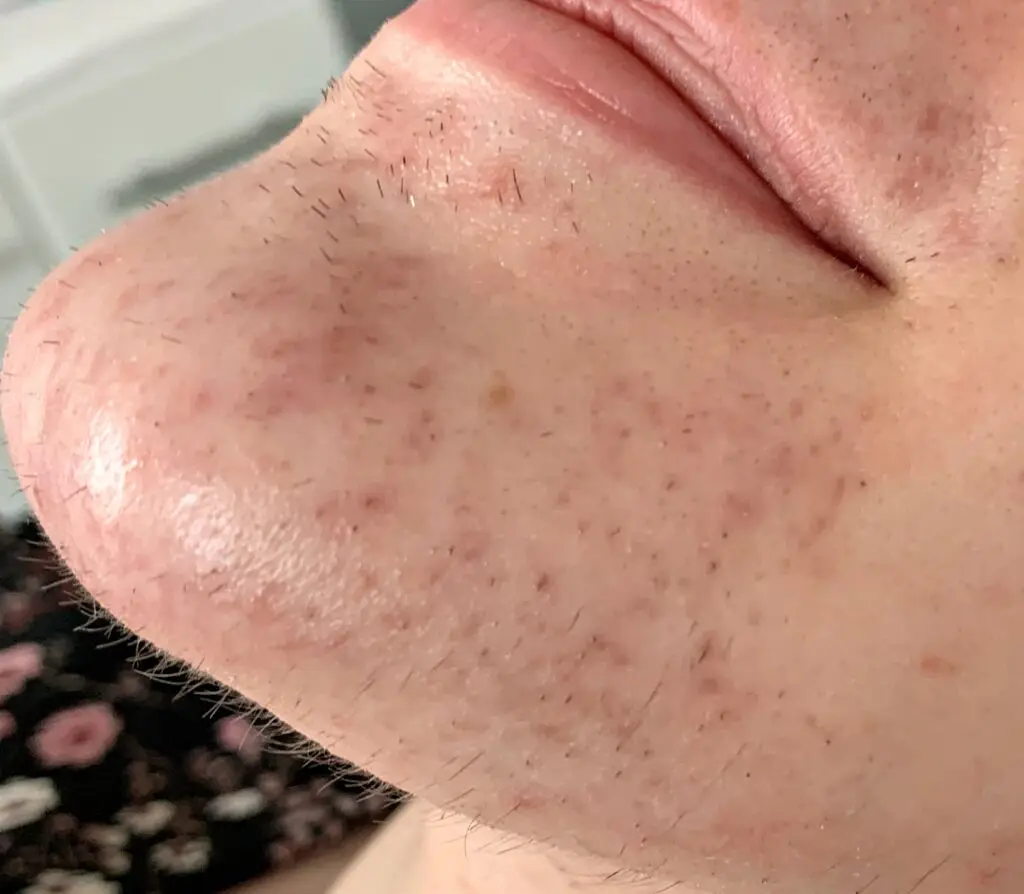
This is a client who came to me with PMOS and highly reactive Cystic Acne. The hair has been eradicated, the skin restored, and the acne flares have calmed down, leaving the complexion smooth and clear.